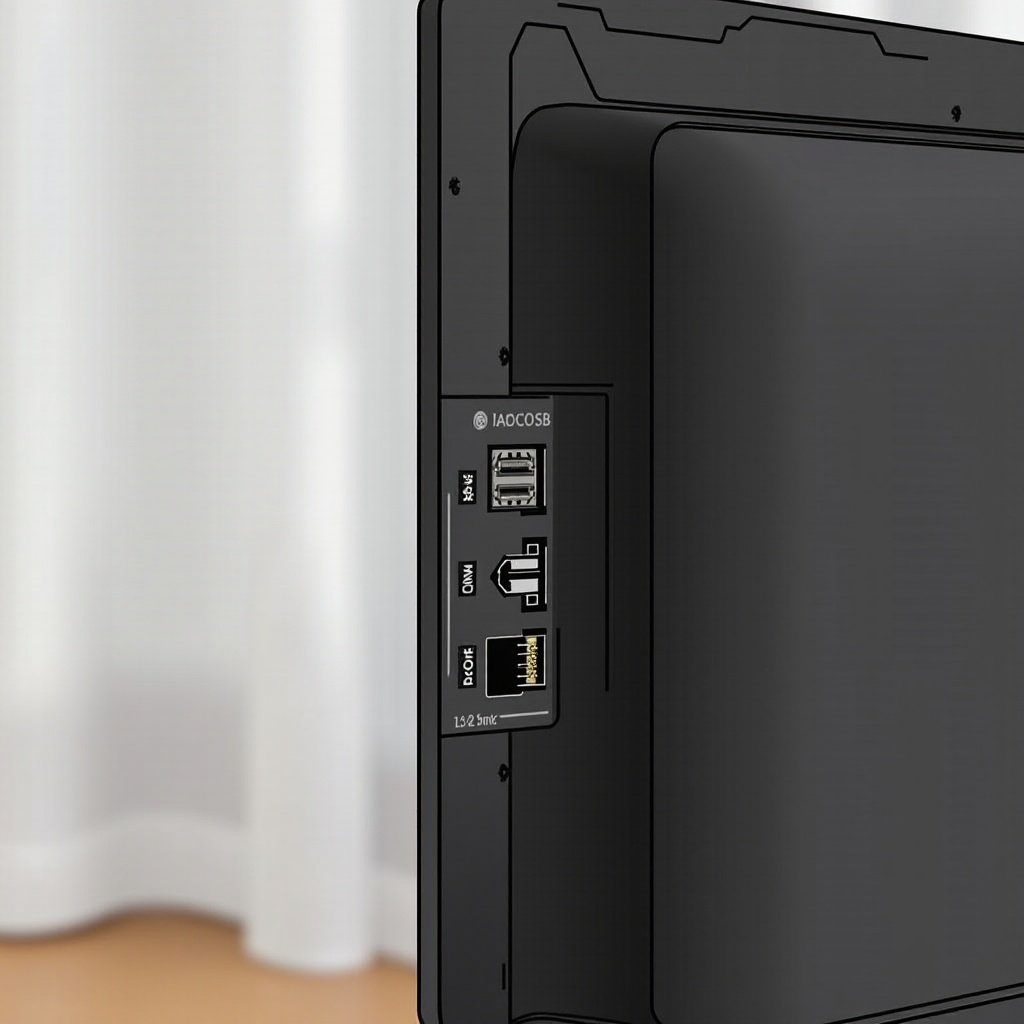
How to Turn Off Dock Connector on iPhone
Introduction
The dock connector on your iPhone is crucial for connectivity and charging. However, there might be situations where managing this feature yourself is necessary, particularly when dealing with charging or connectivity issues. Knowing how to turn off the dock connector can enhance how you manage your device, and potentially improve its performance.
This guide will walk you through the process, explain the benefits, and provide troubleshooting tips. We’ll also explore alternative solutions and performance enhancement tips.

Understanding the Dock Connector
On an iPhone, the dock connector enables data transfers and charging capabilities by linking your phone with various accessories like chargers and docking stations. Its functionality is key for seamless accessory usage but can occasionally lead to challenges such as battery drain or unexpected connections.
Understanding its role helps you make informed choices about managing your device. Knowing when and why to disable this feature ensures you maintain control over your iPhone’s connections.
Reasons to Turn Off the Dock Connector
Considering the following reasons might prompt you to turn off the dock connector on your iPhone:
-
Avoid Unwanted Connections: Automatic accessory connections can disrupt your workflow. Managing these connections lets you stay focused.
-
Extend Battery Life: Continuous accessory search might drain battery life. Disabling the connector when not in use reduces unnecessary battery consumption.
-
Resolve Compatibility Issues: Experiencing problems with charging or accessory mismatch? Turning off the connector can help diagnose these issues.
-
Optimize Device Performance: Minimizing unnecessary functions often enhances device efficiency, improving your iPhone experience.
These reasons justify why managing the dock connector’s activity can be beneficial. Let’s move on to the step-by-step guidance on how to disable it.
Step-by-Step Guide to Turning Off the Dock Connector
Follow these straightforward steps to disable the dock connector on your iPhone:
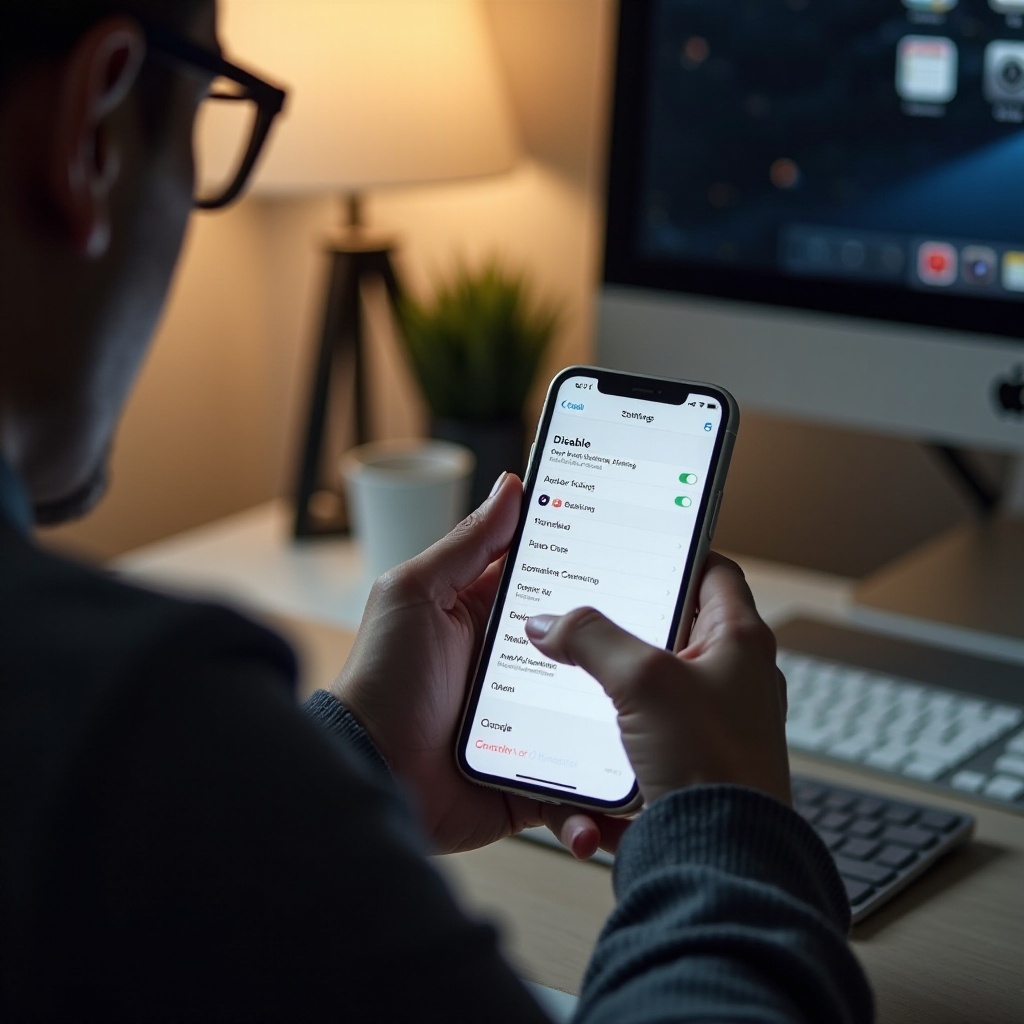
- Settings Access: Start by opening the ‘Settings’ app on your iPhone.
- General Settings: Scroll down and tap on ‘General’.
- Accessibility Options: Under ‘General’, choose ‘Accessibility’. This menu allows you to manage numerous device inputs and outputs.
- External Devices Section: Find the ‘External Devices’ area, typically housing dock connector controls.
- Disable Connector: Turn off the dock connector via the toggle switch. This action stops its functionality until reactivation.
Applying these steps successfully disables the dock connector. If issues arise, the following troubleshooting section provides solutions.
Troubleshooting Common Problems
While disabling the dock connector usually proceeds without incident, issues can occur. Here are some common problems and their fixes:
- Issue: Can’t Locate Settings
-
Solution: Verify that your iPhone version is current. Settings locations may shift between iOS updates.
-
Issue: Device Unresponsive
-
Solution: Restart your iPhone and retry accessing settings. Rebooting often resolves minor system glitches.
-
Issue: Connector Remains Active
- Solution: Confirm the setting is off. Persistent issues may require a reset of all device settings. Go to Settings > General > Reset > Reset All Settings.
These troubleshooting strategies help address typical user problems, ensuring the process is concluded effectively.
Alternative Solutions and Benefits
If disabling the dock connector doesn’t suffice, or if you’re seeking additional ways to improve performance, try these alternatives:
-
Utilize AirPlay: This allows for wireless content streaming to compatible devices, bypassing the dock.
-
Opt for Bluetooth: Switch to Bluetooth to connect speakers and headsets, avoiding direct dock use.
-
Stay Current with Updates: Ensuring your iPhone has all the latest software updates can significantly enhance device operations.
These options provide additional flexibility and can resolve connectivity issues without relying solely on the dock connector.
Tips for Optimizing iPhone Performance Post-Disabling
After turning off the dock connector, consider these tips to keep your iPhone in peak condition:
-
Check Battery Usage Regularly: Monitor which apps consume the most power and make adjustments to minimize impact.
-
Exit Unused Applications: Running only necessary apps stops background processes from unnecessary resource usage.
-
Manage Display Settings: Adjust brightness and use auto-lock to save energy, extending battery life.
Implementing these tips ensures that your device runs efficiently, even when the dock connector is not active.
Conclusion
Disabling the dock connector on your iPhone is a practical step for managing device settings and resolving connectivity or performance challenges. By following the outlined steps, you can control and optimize your iPhone’s functionality to better suit your needs.
Exploring additional settings like Bluetooth and AirPlay further diversifies your connectivity options. These strategies ensure that you maintain optimal device health and performance.
Frequently Asked Questions
What is the dock connector used for on an iPhone?
The dock connector is used for charging and transferring data between your iPhone and external devices.
Will turning off the dock connector affect charging?
No, turning off the dock connector does not impact your iPhone’s ability to charge via the lightning port.
Can I easily re-enable the dock connector if needed?
Yes, you can re-enable the dock connector by following the same steps and toggling the setting back on.